Bubbles
I recently attended an event where some older generation founders were giving monologues with a rambling chain of thought about their manifesto. Tweets they saw online from VCs, anecdotes from their own lives back in the 2010s was somehow evidence of the fact that this manifesto was worth solving. It seemed to me like they were just founding because they wanted to ride the new AI wave, and feel good about themselves for having a grand goal to work towards in life. When your primary motivation isn’t to solve the problem, I think it really shows. My dear friend Bowen would say, it’s presumptuous to think that from your life experience / from this menial data, you’re able to solve the world’s biggest problems like “giving people the power to have control over data instead of the big AI Labs and big companies”, I totally do NOT have a specific company in mind, and this is totally not me venting haha. But I think if you truly want to solve the world’s biggest problems, it takes so much more than that, relentless attacking the problem with humility and grit, which arguably, I don’t think going into a uni and teaching young people about your manifesto without even having ANY users apart from your wife, (and hello? how do you have 10 people on the team already?), is a good strategy.
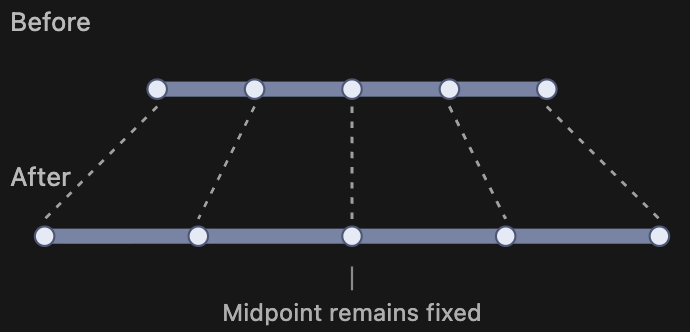
I’m personally bearish on using students in general for your professional life; I had the opportunity to work at an edtech startup, changing how the education system works using AI, making private tutoring accessible to all etc. I think it was a cool product, but I was hesitant about working at a company where your target user is a young teenager with likely an unformed worldview. (At least, I for sure, did not have a formed worldview when i was 16). I tend to feel like these consumer companies are a bubble. They are detached from the enterprise world, which can be disadvantageous, because so many learnings happen in conversations behind closed doors in one-to-ones in your professional network, and choosing an edtech vertical I feel is automatically very isolating. Because the people you naturally talk to and think about every day are kids, so how much can you really grow professionally in that case? That is assuming that you don’t actively reach out to people and be proactive about growth. Of course, there are outliers, but why not choose to be in a place where the mean itself is higher? Why not choose to be nearer the edge of a rubber band when it stretches so you coast along, because the infrastructure around you is pulling you along?
I think full-time influencers / content creators likely struggle with this problem of disconnection / bubbles too. I have an interesting story about someone who started a Substack whilst working at Mckinsey, amassing thousands of subscribers. Once she had enough traction from her newsletter, she took a “creative sabbatical” however, she found the quality of her writing had decreased, even though she had more time interestingly enough. That’s why one of my core principles is that more time doesn’t necessarily mean better results. The friction she experienced in her day-to-day at Mckinsey, solving problems for her clients, aided a lot in getting her mind primed to be able to write nuanced and thought-provoking pieces. You can ride the wave of momentum from your professional life to aid your other projects, but if you do not have a professional life, you have to create that momentum yourself which is personally a lot less fulfilling. (I’ve been there).
Having said all this, I have huge respect for people that have been able to create an amazing B2C product, and navigated the context challenges.
adendum
I write this article at the tail end of my application cycle. Job hunting is a remarkable process, it really reveals your likes and dislikes in ways that just sitting down and thinking would not.